20251203T100020251203T1130Asia/RiyadhTrack 4.6: Tourism, Access, and the Right to CultureAt-Turaif61st ISOCARP World Planning Congressriyadhcongress@isocarp.org
Cultural Tourism and Inclusive Placemaking: Rural Urbanization through the Yongle Palace Axis Heritage Revitalization
Submission Type B: Paper + Track Presentation (Poster optional)Track 4: Culture, Identity, and Inclusive Urban Transformation10:00 AM - 10:10 AM (Asia/Riyadh) 2025/12/03 07:00:00 UTC - 2025/12/03 07:10:00 UTC
In the context of accelerated urbanization and rural decline across China, heritage sites situated in marginalized rural regions face dual pressures: the erosion of local cultural identity and the imposition of top-down preservation models that often detach relics from contemporary relevance. This paper examines the Yongle Palace Axis Revitalization Project in Ruicheng County, Shanxi Province, as a pioneering case of cultural tourism–driven rural urbanization. The project reimagines the ruins of a displaced Taoist temple through inclusive placemaking strategies that mediate between historical continuity, spatial innovation, and contemporary communal needs. Once a monumental religious complex dedicated to Lü Dongbin—one of the Eight Immortals in Taoism—Yongle Palace was relocated in the 1950s due to hydropower development, leaving behind an erased sacred landscape. Although little material evidence remained on the original site, its cultural resonance endured. In 2022, architect Wang Hui and his team initiated a site-specific revitalization project that aimed not at reconstructing the past, but at reframing the ruins as an open cultural ground for education, ritual, and tourism. Central to this intervention is the concept of “museumization” (translated from the Chinese term “bowu”), which redefines heritage as an interactive, interpretive system rather than a static artifact. Three interwoven dimensions support the transformation: cultural symbolism, spatial narration, and contextual regionalism. The project strategically departs from pure restoration and instead emphasizes symbolic reconstructions, such as axial lines and voided architectural outlines, to evoke the presence of the original palace without overwriting the site's current ecological and agricultural identity. Through a new model of “educational pilgrimage”, visitors are guided through immersive spatial sequences that blend sacred memory with contemporary learning, turning passive spectators into cultural participants. This hybrid environment—part museum, part shrine, part rural public space—blurs the boundary between ritual and recreation, heritage and everyday life. The project also challenges conventional dichotomies between urban and rural space. By engaging local communities, cultural institutions, and tourism networks, the revitalization fosters rural urbanization not through industrialization or demographic density, but through cultural density—embedding a new type of urban logic into the rural fabric. Buildings draw inspiration from regional vernacular forms such as loess caves and sunken courtyards, but reinterpret them with reversible construction systems that preserve the archaeological substrate. Interactive pavilions, immersive wall painting installations, and symbolically charged landscapes invite new behaviors and meaning-making, turning the site into a catalyst for local identity and rural regeneration. At its core, the Yongle Palace Axis project argues for a more inclusive, culturally embedded approach to heritage and rural development. Rather than treating cultural tourism as an external force of commodification, it is positioned here as a tool for reactivating local memory, diversifying spatial functions, and generating a shared sense of symbolic value. The “museumized” landscape acts not only as a site of preservation but as a dynamic social platform that reflects the rhythms of rural life while engaging with global currents of urban cultural design. This paper proposes that heritage-led placemaking—when guided by inclusive and interpretive strategies—can provide a powerful framework for cultural urbanization at the margins. The Yongle Palace Axis revitalization offers a replicable model for regions undergoing transformation, particularly those where cultural tourism intersects with spiritual traditions, architectural heritage, and fragmented community identities. In a time when rural areas risk becoming either obsolete or over-designed, this project offers a third path: one that grounds design in memory, meaning, and mutual participation.
Will you be a good neighbor of a vibrant historic district? An individual perception-based approach
Submission Type B: Paper + Track Presentation (Poster optional)Track 4: Culture, Identity, and Inclusive Urban Transformation10:10 AM - 10:20 AM (Asia/Riyadh) 2025/12/03 07:10:00 UTC - 2025/12/03 07:20:00 UTC
In Chinese cities like Nanjing, historic cultural districts are often situated adjacent to high-density residential areas. In recent years, the influence of social media platforms has significantly increased tourist traffic to these districts. Although the economic benefits of tourism have supported their development, it has also resulted in over-commercialization, which has intensified conflicts between tourists and local residents regarding the use of public spaces. As a result, residents’ quality of life has declined, and the risk of displacement among native populations has grown. Thus, quantitatively characterizing and analyzing these issues is crucial for guiding informed decision-making in urban renewal strategies. Previous research on public spaces has predominantly examined the relationship between the environmental attributes of physical spaces and urban vitality. In contrast, This study develops an integrated research framework that combines Stated Preference (SP) surveys with a Structural Equation Modeling–Logit (SEM-Logit) approach. For the empirical analysis, Laomendong, a popular historic district in Nanjing driven by social media, and its adjacent residential areas were selected as the case study. The study involved the collection of visual and auditory environment data from 127 public spaces of various types. Meanwhile, 460 SP questionnaires were distributed. Respondents were required to provide their socioeconomic background information and evaluate various scenarios across multiple dimensions. Additionally, they were asked to make binary choices between two scenes. Building on this foundation, the SEM model was employed to quantify the intangible factors and their influence on public space activities, including perceptions of visual, auditory, and cultural atmosphere. Subsequently, a Logit model was applied to establish the relationship between environmental perceptions of public space and users’ behavioral choices. In addition, the study employed correlation analysis to examine the relationship between subjective perceptions and objective environmental attributes such as visual and auditory factors. This approach refines the complete 'environment–perception–behavior' chain and provides targeted spatial optimization strategies for goal-oriented community regeneration practices. The analysis reveals that traffic congestion and noise generated by commercial retail activities within the tourist district have had negative impacts on nearby residents. These adverse effects may be attributed to the spillover of commercial functions and the limited availability of public space. Furthermore, there are perceptible differences between tourists and residents in their environmental demands for public spaces, which in turn influence their choices of activity spaces. For example, tourists tend to seek visual experiences and a sense of historical and cultural atmosphere, such as well-preserved traditional architectural styles, whereas residents are more sensitive to soundscape quality—such as a quiet living environment—and the overall quality of public spaces. These diverse demands occurring within a limited spatial context pose additional challenges to the renewal objectives and strategy optimization of the entire district. Drawing on relevant cases, the study underscores that while urban renewal strategies driven by the "Instagrammable" effect can enhance district vitality in the short term, an overly homogenized development model may, in the long run, lead to a decline in the district’s attractiveness and population loss, thereby undermining the sustainability of urban vitality. Furthermore, under the context of population aging, it is necessary to maintain the community population size while urgently optimizing the age structure. However, both longstanding residents and new immigrants should serve as key agents in the transmission of historical and cultural heritage. Intangible elements of historical authenticity, such as lifestyle and distinctive cultural activities, are closely related to the attractiveness and vitality of historic districts.
Building Inclusive Cities: How Saudi Arabia Uses Culture to Drive Urban Change
Submission Type C: Track Presentation only (Poster optional)Track 4: Culture, Identity, and Inclusive Urban Transformation10:20 AM - 10:30 AM (Asia/Riyadh) 2025/12/03 07:20:00 UTC - 2025/12/03 07:30:00 UTC
Culture is now widely seen as a key driver for inclusive urban regeneration and economic growth. In Saudi Arabia, the National Strategy for Culture (2018) and the Cultural Development Fund (2021) were launched to weave culture into Saudi life following the country’s Vision 2030 development plan. These initiatives aim to rejuvenate cities and communities, foster social cohesion, and strengthen cultural identity. This presentation looks at how culture-led projects—rooted in the country’s rich heritage and creative industries—are transforming urban spaces to be dynamic, interactive, and welcoming. It focuses especially on theatre, heritage preservation, and architecture and design. This presentation speaks directly to the congress theme of Culture, Identity, and Inclusive Urban Transformation. It highlights how cultural identity and creative expression can shape vibrant, people-centered cities. By focusing on Saudi Arabia’s experience, it shows how projects in theatre, heritage, and design can bring neglected areas back to life, open up opportunities for local communities, and develop a shared sense of belonging. The talk will draw on selected cultural cases from Riyadh and other regions, supported by indicators like the number of cultural enterprises, event attendance, tourism revenues, creative employment rates, and growth in sector-specific investments. Official reports from the Ministry of Culture, Ithra, and the General Entertainment Authority provide data and context. The presentation discusses how governance models—like the Cultural Development Fund’s investment frameworks and the Ministry of Culture’s sector strategies—play a crucial role in ensuring that culture is accessible to all. These models support community participation and give people a real stake in shaping their cultural landscape. Platforms like Abde’ and scholarship programs further empower citizens to take part in cultural production, creating a more vibrant and inclusive urban life. The talk will explain that integrating cultural planing provides a robust framework towards inclusive and sustainable urban transformation, and tailors strategies to the Saudi unique cultural landscape that can inform future urban strategies both locally and internationally. By seeing culture not just as entertainment but as a vital part of economic and social life, Saudi Arabia can build culturally-resonant cities and spaces that honor the past while embracing the future.
Maha Alatawi Associate Professor, Prince Sattam Bin Abdulaziz University
Riyadh: King of Gigaprojects, Can Riyadh's Dramatic Place Rebranding Realize Path-Breaking and Profound Urban Transformations?
Submission Type C: Track Presentation only (Poster optional)Track 4: Culture, Identity, and Inclusive Urban Transformation10:30 AM - 10:40 AM (Asia/Riyadh) 2025/12/03 07:30:00 UTC - 2025/12/03 07:40:00 UTC
As part of the Saudi Vision 2030, Riyadh is rapidly reshaping into a global city through the development of new massive infrastructure, hosting of mega-events, and construction of iconic buildings. This study aims to discover how cities can realize pathbreaking urban transformations through place rebranding by examining the case of Riyadh. The study also identifies the processes and outcomes of such transformations by comparing Riyadh’s initiatives with global cases (Barcelona, Dubai, Sydney, Seoul, Tokyo, Amsterdam). The methodology involves collecting qualitative data from global city transformations and Riyadh’s key actors. This research has unveiled that Riyadh is undergoing the most dramatic urban change worldwide, and it is planning to host events like Expo 2030 and construct architectural marvels like ‘Mukaab’ which may be as massive as twenty Empire State. Unlike other cities that have gradually evolved their brands, Riyadh’s transformation is unfolding at an accelerated pace, relying on large-scale government-led interventions. The study highlights the potential of such drastic rebranding in building collective purpose and obtaining worldwide recognition; however, “speed kills,” fast urbanism, and the dramatic rebranding process has its drawbacks, including the loss of authenticity, cultural heritage, social justice, and sustainable development. This study underscores the need for long-term governance strategies to ensure that rapid urban transformation leads to lasting and inclusive development. Thus, the research identifies the importance of reconciling global ambitions with local identity and inclusive development to achieve sustainable urban change.
Presenters Abdulrhman Alsayel Assistant Professor Of Urban & Regional Planning, Imam Abdulrahman Bin Faisal University Co-Authors
Value Extraction and Cultural Landmark Construction of the Guiling Mountain Fortress Site in Fuling, China
Submission Type B: Paper + Track Presentation (Poster optional)Track 4: Culture, Identity, and Inclusive Urban Transformation10:40 AM - 10:50 AM (Asia/Riyadh) 2025/12/03 07:40:00 UTC - 2025/12/03 07:50:00 UTC
The Sichuan-Chongqing mountain fortress system of the Song-Yuan period in China was a product of the 13th-century clash between East Asian agrarian and nomadic civilizations. It preserves military engineering remains from both the Song and Yuan dynasties, reflecting the conflict, exchange, and integration between the two cultures, and vividly illustrating the historical evolution of diverse civilizations in the region. As a key component of this system and the military and political command center of the Fuzhou battlefield, the Guiling Fortress in Fuling became a major focal point of contention between the Song and Yuan forces, where fierce battles took place. Together with Diaoyucheng and Duogong fortresses, it formed a strategic defensive shield for Chongqing, highlighting the ancient military wisdom of constructing regional defenses by leveraging natural mountains and river systems. This study aims to integrate GIS and knowledge graph technologies to conduct an in-depth analysis of the spatial and functional relationships between Guiling Fortress and surrounding Song military mountain fortresses, while also exploring its historical background and cultural characteristics through extensive literature research. Using GIS technology, a geographic information database encompassing Guiling Fortress, nearby mountain fortresses, and historical settlements is constructed to quantitatively analyze spatial defense linkages, economic and historical contexts, site selection strategies, and the coupling relationship with the natural landscape. Historical documents, cultural relics, and intangible cultural elements are thoroughly analyzed and integrated to construct a modular knowledge graph network, revealing the evolution of Guiling Fortress’s military functions during the Song-Yuan War, the chronology of historical events, and its interconnections with other mountain fortresses. Based on GIS spatial analysis and the knowledge graph network, the core value elements of the Guiling Fortress site are systematically extracted from four dimensions: geographical foundation, current state of cultural relics, historical military functions, and core cultural significance, providing a foundation for the construction of the heritage park. Building upon the extracted value elements, this study explores planning strategies for the Guiling Fortress Heritage Park, aiming to transform it into an inclusive and vibrant public space that deeply reflects the local cultural identity. By analyzing the spatial connections between Guiling Fortress, surrounding cultural heritage sites, and Song military mountain fortresses in the Sichuan-Chongqing region, the study proposes the creation of a “Cultural Heritage Corridor” linking heritage nodes. This strategy seeks to overcome the limitations of isolated site protection and promote the integration and sharing of regional cultural resources. Ultimately, the research explores feasible methods and implementation paths for establishing Guiling Fortress as a core cultural landmark of Fuling’s new urban district. By shaping this symbolic site, the goal is to make it a cornerstone of community identity, reinforce Fuling’s unique cultural character and spirit, and support the inclusive development of the new city. Through heritage-led urban spatial regeneration, the study envisions a sustainable pathway toward enhanced urban resilience and improved quality of life for all residents.
Inclusive cultural access and complex-based integration: A mixed-method comparative case study of embedded reading spaces in Shanghai
Submission Type B: Paper + Track Presentation (Poster optional)Track 4: Culture, Identity, and Inclusive Urban Transformation10:50 AM - 11:00 AM (Asia/Riyadh) 2025/12/03 07:50:00 UTC - 2025/12/03 08:00:00 UTC
Amid increasing urban mobility, time fragmentation, and lifestyle diversification, the demand for flexible and accessible cultural spaces continues to rise. This study focuses on embedded reading spaces—reading environments integrated within community, recreational, or commercial venues—as a strategy to improve cultural accessibility. Although spatial and functional integration is gaining attention in cultural planning, comparative evaluations of integration strategies remain limited, especially from user-centered perspectives. This study examines how different integration modes influence the inclusivity of cultural access. In Shanghai, eight embedded reading space cases across three subdistricts were selected, covering three types: (1) neighborhood libraries in community centers, representing traditional residential-based service models; (2) large-scale libraries integrated with parks or scenic areas, reflecting recent trends in combining centralized cultural facilities with recreational venues; and (3) reading spaces in commercial complexes, serving as emerging hybrid cultural nodes. This typological spectrum forms a “traditional–emerging” comparative framework for assessing differences in user appeal, behavioral diversity, and spatial performance. A mixed-method approach was employed, combining behavioral mapping, user surveys, and semi-structured interviews. Data were collected during July and August 2024. Findings show that the three types adopt distinct integration strategies, ranging from service co-location to experiential synergy and path-based alignment. Among them, reading spaces embedded in commercial complexes demonstrate higher levels of user diversity, behavioral flexibility, and functional synergy. These characteristics effectively foster unplanned user engagement and position such spaces as “cultural entry points” for a broader range of users. The study proposes that complex-based integration is a key strategy for achieving inclusive cultural access. Its core lies in the alignment of spatial accessibility, functional hybridity, and users’ behavioral rhythms. This research advances the understanding of cultural accessibility and offers practical insights for cultural planning in high-density cities, particularly highlighting the potential of commercial complexes—as representative mixed-use developments—to serve as viable cultural anchors in inclusive urban transformation.
Basra West Bank Urban Development: A Strategic Urban Extension along Shatt Al-Basra for Cultural, Economic, and Inclusive Transformation
Submission Type C: Track Presentation only (Poster optional)Track 4: Culture, Identity, and Inclusive Urban Transformation11:10 AM - 11:20 AM (Asia/Riyadh) 2025/12/03 08:10:00 UTC - 2025/12/03 08:20:00 UTC
The Shatt Al-Basra River, running through southern Basra, has historically served as both a natural corridor and a cultural threshold. However, the western bank and adjacent areas have long remained underdeveloped and disconnected from the city’s core. The Basra West Bank Urban Development project introduces a transformative new urban extension primarily on the river’s western bank, with interventions on the eastern edge as well. The project aims to reposition this territory as the economic capital of Basra and the southern region of Iraq, while reconnecting the river to the life, identity, and structure of the expanding city. This project aligns strongly with Track 4: Culture, Identity, and Inclusive Urban Transformation. It presents a strategic response to the intertwined challenges of spatial fragmentation, underutilized cultural potential, and economic stagnation in post-conflict Iraq. Rather than focusing solely on infrastructure or housing delivery, the plan emphasizes how large-scale urban extension can embody and project a renewed cultural identity for Basra, linking past, present, and future through inclusive, place-based strategies. By reclaiming the western edge of the Shatt Al-Basra River and integrating it with mobility corridors, public spaces, cultural anchors, and investment zones, the project establishes a new civic axis for the city. The plan revives traditional connections between river, land, and community—while proposing a contemporary urban form that celebrates heritage, encourages diverse activities, and welcomes new residents. It also connects to the broader vision of decentralizing Basra’s growth by creating a polycentric structure where the west bank becomes a vibrant node of production, tourism, and cultural exchange. The Basra West Bank Urban Development project offers a model for how new urban extensions in historic cities can balance cultural continuity, inclusive growth, and strategic economic positioning. Its planning methodology blends spatial diagnostics with long-term visioning, defining a framework that is both implementable and resilient. The project introduces a layered urban structure built on integrated land use, riverfront design, mixed-income housing, and economic development clusters. One of the project’s most critical contributions lies in its approach to river-centered urbanism. Rather than treating the Shatt Al-Basra as a barrier or a back edge, the river is reimagined as a central civic spine—where mobility systems, ecological corridors, cultural spaces, and public waterfronts converge. This challenges dominant car-based planning models and reintroduces water-based access, walkability, and landscape continuity as planning priorities. Policy-wise, the project advocates for multi-agency coordination to manage investment flows, land value capture, and zoning reform. It proposes development zones for logistics, clean industry, retail, and tourism, positioning the area as an economic engine that complements Basra’s port and trade economy. Simultaneously, it preserves and activates cultural landmarks—mosques, museums, and institutional buildings—ensuring that growth does not erase memory. From a social perspective, the plan incorporates inclusive design principles by providing accessible public spaces, equitable mobility networks, and cultural programming aimed at diverse user groups. It builds a bridge between marginalized peripheries and high-value developments, ensuring spatial justice through participatory implementation and adaptable phasing strategies. For planners and policymakers, this project demonstrates how strategic urban extensions—especially in post-conflict cities—can foster economic revitalization without sacrificing cultural integrity. It reframes expansion not as sprawl, but as an opportunity to rewrite the urban narrative through sustainability, inclusion, and identity.
Presenters Ahmed Ibrahim Design Manager, Nudhum Al-Benaa ConsultancySafaa Al-Mumaar Chairman Of Board, Nudhum Al-Benaa Consultancy
Urban Transformation of Riyadh City to Be Recognized in the Top-Ranked 100 Cities in the World
Submission Type A: Report + Track Presentation (Poster optional)Track 4: Culture, Identity, and Inclusive Urban Transformation11:20 AM - 11:30 AM (Asia/Riyadh) 2025/12/03 08:20:00 UTC - 2025/12/03 08:30:00 UTC
Managing growth in Riyadh after rapid expansion of city is a major issue on its development that needs to be discussed. The study aims to explore the inclusive urban transformation of Riyadh that can be employed practically to be recognized as one of the top 100 ranked cities globally according to Saudi Vision 2030. The study will assess impact of urban development of Riyadh on the quality of life. Cross-sectional study design was adopted to assess the impact on the quality of life in the four domains of physical, environmental, psychological and social lives via using WHOQOL-BREF questionnaire. The study recruited 217 participants. However, data related to urban transformation in Riyadh has been qualitatively collected using secondary means. The findings of the study revealed that urban transformation was significantly and positively correlated with the quality of life. The study reviews that the overall infrastructure under the Vision 2030 is according to the global standards of development and recognition which will increase the likelihood of Saudi cities to get global recognition.
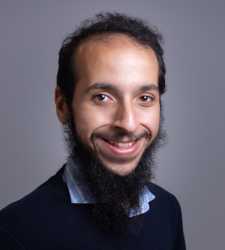 Abdulrhman Alsayel
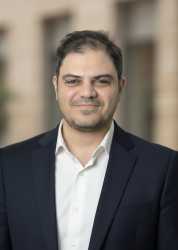 Ahmed Ibrahim
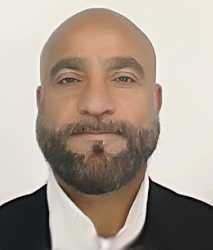 Safaa Al-Mumaar
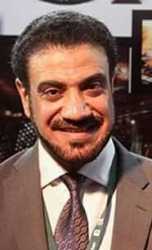 Dr. Abdulaziz Aldusari